Common Hearing Aid Myths That Still Persist
March 3, 2026
Why Hearing Tests are Never One Approach for Everyone
March 31, 2026

Clear communication plays a vital role in professional success. In meetings, phone calls, and even casual conversations, hearing supports understanding, collaboration, and confidence. When hearing becomes strained, work can feel more demanding than it needs to. Many people notice these challenges first at work, and later on in other areas of life.
In professional settings, sound moves quickly. Voices overlap, background noises compete for attention, and important details often appear only once for a few moments. When hearing struggles enter this space, the effects can ripple across productivity, focus, and job satisfaction.
Missed Details Can Add Up Quickly
Even a mild level of hearing loss can make it more difficult to catch certain words or tones. Over time, these missed details may affect understanding of instructions, expectations, and even deadlines. This can lead to repeated clarification requests or quiet confusion.
As a result, some adults will spend tons of extra energy double-checking emails or relying heavily on written follow-up. While these strategies help, they can slow down the workflow and increase stress during busy days.
Meetings Become More Demanding
Group meetings can often be the most problematic. Multiple speakers, varying accents, and side conversations make listening much more complex. When hearing clarity drops, following discussion threads becomes difficult.
Many individuals report feeling mentally drained following meetings. Concentration becomes more difficult as they try to piece together conversations. This listening fatigue can reduce focus for the remaining part of the workday and affect overall performance.
Phone and Virtual Calls Create New Barriers
Phone calls remove visual cues that support understanding. Without facial expressions or lip movement, speech clarity depends entirely on sound. Hearing loss may cause certain voices or pitches to blend together and be unrecognizable.
Virtual meetings add another layer. Audio quality varies, and background noise often slips in. When hearing challenges combine with technical issues, communication becomes even more taxing.
Confidence May Quietly Decline
Workplace hearing challenges can often affect confidence. Some adults hesitate to speak up during discussions, fearing they may mishear or respond incorrectly. Others avoid group conversations altogether. Over time, this hesitation can limit participation and visibility. Talents and ideas may go unheard, not because they lack value, but because communication feels risky.
Social Connections at Work May Shift
In the workplace, it is casual conversations that build relationships. Those chats held in the breakroom, hallway updates in passing, and shared laughter during team meetings are what create strength. However, hearing loss can make these moments harder to follow. As the listening becomes more difficult, some adults withdraw from informal interactions. This distance can feel isolating and may affect how connected someone feels to their workplace community.
Productivity is Often Affected Indirectly
Hearing loss does not reduce skill or intelligence. However, it can affect overall efficiency. The extra effort spent listening leaves less energy for actual problem-solving and creativity. Multitasking can become harder as background noise becomes more of a distraction. By the end of the day, mental fatigue may linger, even well after the tasks are complete.
Support Makes a Meaningful Difference
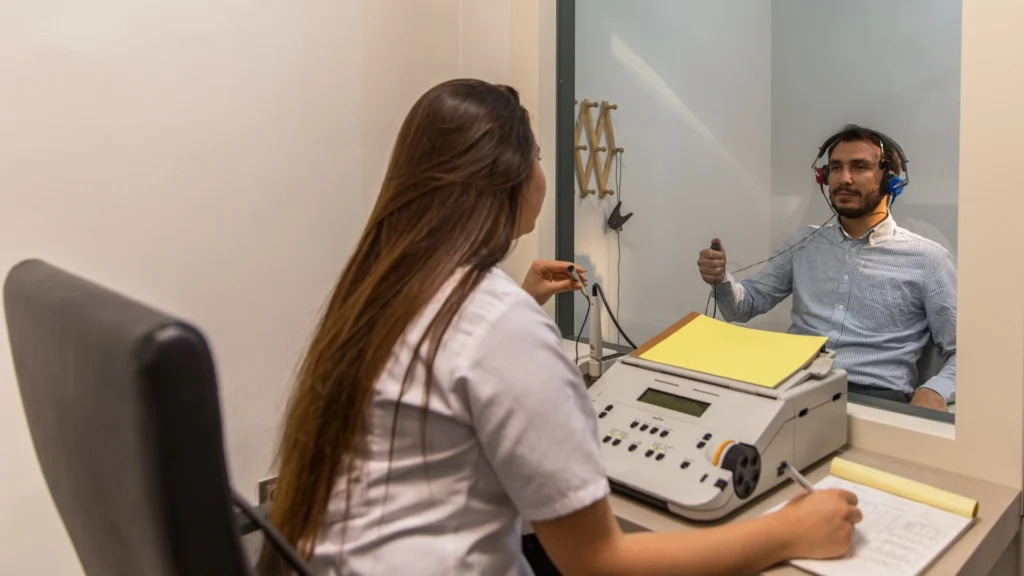
Addressing hearing challenges supports both individuals and the workplace. Hearing evaluations help identify specific needs and listening environments that matter most while at work. When hearing support is available to improve clarity, many people report increased confidence along with reduced fatigue. Communication feels more natural, allowing skills and experience to take center stage again.
Small Adjustments Can Improve Communication
Workplace communication improves with flexibility and awareness. Simple changes, such as reducing background noise during meetings or while also using visual supports, can help.
Hearing care also plays a key role. Personalized solutions align hearing support with professional demands. When hearing improves, collaboration becomes easier and work feels more manageable. This can improve every aspect of the work world for someone.
Hearing Health Supports Career Longevity
Hearing plays a quiet but essential role in your work life. When addressed early, hearing challenges do not have to limit growth or satisfaction at work.
By supporting hearing health, adults protect communication, confidence, and long-term engagement in their careers. Clear hearing supports not just productivity, but professional well-being as a whole.