How Hearing Loss Impacts Workplace Communication
March 16, 2026
The Hidden Role of Hearing in Decision-Making and Judgement
April 6, 2026
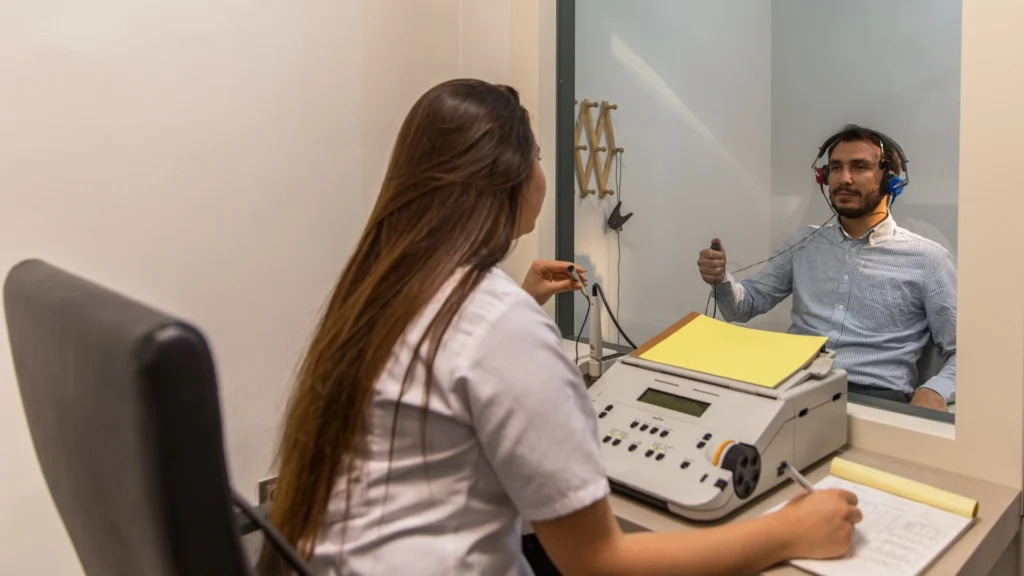
Hearing affects how people connect with the world, family, and work through everyday tasks. Due to the fact that hearing plays such a personal role, testing should never follow a single, static routine. Each and every person hears differently, even when the symptoms sound very similar. A thoughtful hearing evaluation looks beyond the basic results and focuses on the individual behind the test.
In addition, hearing concerns rarely show up the same way from one person to the next. Some changes appear gradually, while others feel sudden and disruptive. Personal habits, work environments, and past noise exposure all play a role. As a result, meaningful testing begins by listening to the person, then selecting tools and measures that best reflect their actual listening challenges.
Hearing is Personal, Not Predictable
No two hearing experiences match. Age, health history, lifestyle, and listening environments all influence how ears and brains process sound. Some adults struggle most in noisy environments, while others may have trouble on phone calls or with softer voices. A standard screening alone cannot capture these differences.
Additionally, hearing changes over time. What mattered during a test five years ago may not reflect current hearing needs. Personalized testing allows providers to track subtle changes and respond early, rather than waiting for a noticeable decline.
More Than a Simple Sound Check
Many people assume a hearing test only measures the volumes at which a person can hear well. In reality, it also looks at how a person perceives clarity and timing, and how the brain interprets speech. A personalized test might evaluate speech understanding, sound tolerance, and the degree to which both ears work together.
As an example, two people may hear tones at the same volume levels but understand speech in very different ways. Without tailored testing, these differences can go unnoticed. As a result, treatment plans may miss the mark.
Lifestyle Shapes Listening Needs
Daily routines matter when evaluating hearing. Someone who attends meetings, social gatherings, or community events faces different challenges than someone who spends most of their time in quiet spaces. Personalized testing considers where and how a person listens each day.
Some hobbies, like music, fitness classes, or volunteering, can also have an effect on hearing demands. Testing that reflects real-life listening situations leads to better outcomes and greater satisfaction with care.
Medical History Tells an Important Story
Hearing health connects closely with overall health. Conditions such as diabetes, heart disease, or balance concerns may influence hearing ability. Certain medications also affect hearing sensitivity.
A customized evaluation includes a detailed health discussion. This step helps identify possible causes of hearing changes and guides appropriate recommendations. Without this context, test results can lack true meaning.
Technology Requires Precision
Modern hearing technology offers many options, but no device works the same for every person. Proper selection depends on hearing patterns, comfort levels, and personal preferences. Accurate testing supports better device fitting and adjustment.
When testing matches up with the individual hearing profiles, technology performs as intended. Voices sound clearer, background noise feels much less intrusive, and listening becomes more natural. Personalization improves both comfort and confidence.
Communication Goals Matter
People seek hearing care for different reasons. Some want to follow conversations with less hassle. Others hope to reduce listening fatigue or feel more confident at work. Personalized testing aligns results with these goals.
By understanding what matters most to each person, providers can focus on meaningful improvements rather than generic benchmarks. This approach builds trust while also encouraging long-term success.
Why Follow-Up Testing Makes a Difference
Hearing health evolves. Regular evaluations allow for adjustments as needs change over time. Follow-up testing helps fine-tune care plans and sustain treatment benefits.
Personalized testing also supports early detection. Small changes can appear before noticeable symptoms come up. Addressing these shifts early protects long-term hearing health and quality of life.
The Value of an Individual Approach
A thoughtful hearing evaluation respects the uniqueness of each person. It listens to concerns, considers daily life, and uses testing methods that reflect real needs. This approach leads to clearer understanding and better outcomes.
When hearing tests move beyond routine screens, care becomes more effective and more human. Personalized testing supports not just better hearing, but better living.